











The Hybrid Menu Model: How to Balance Core Sellers, Seasonal Rotations, and LTOs



In today’s highly competitive HoReCa industry, a menu is no longer just a list of dishes it is a strategic tool that directly impacts operational efficiency, cost management, and customer experience. Restaurants, hotels, and cafés must go beyond offering great food and adopt smart menu strategies to ensure long-term success.
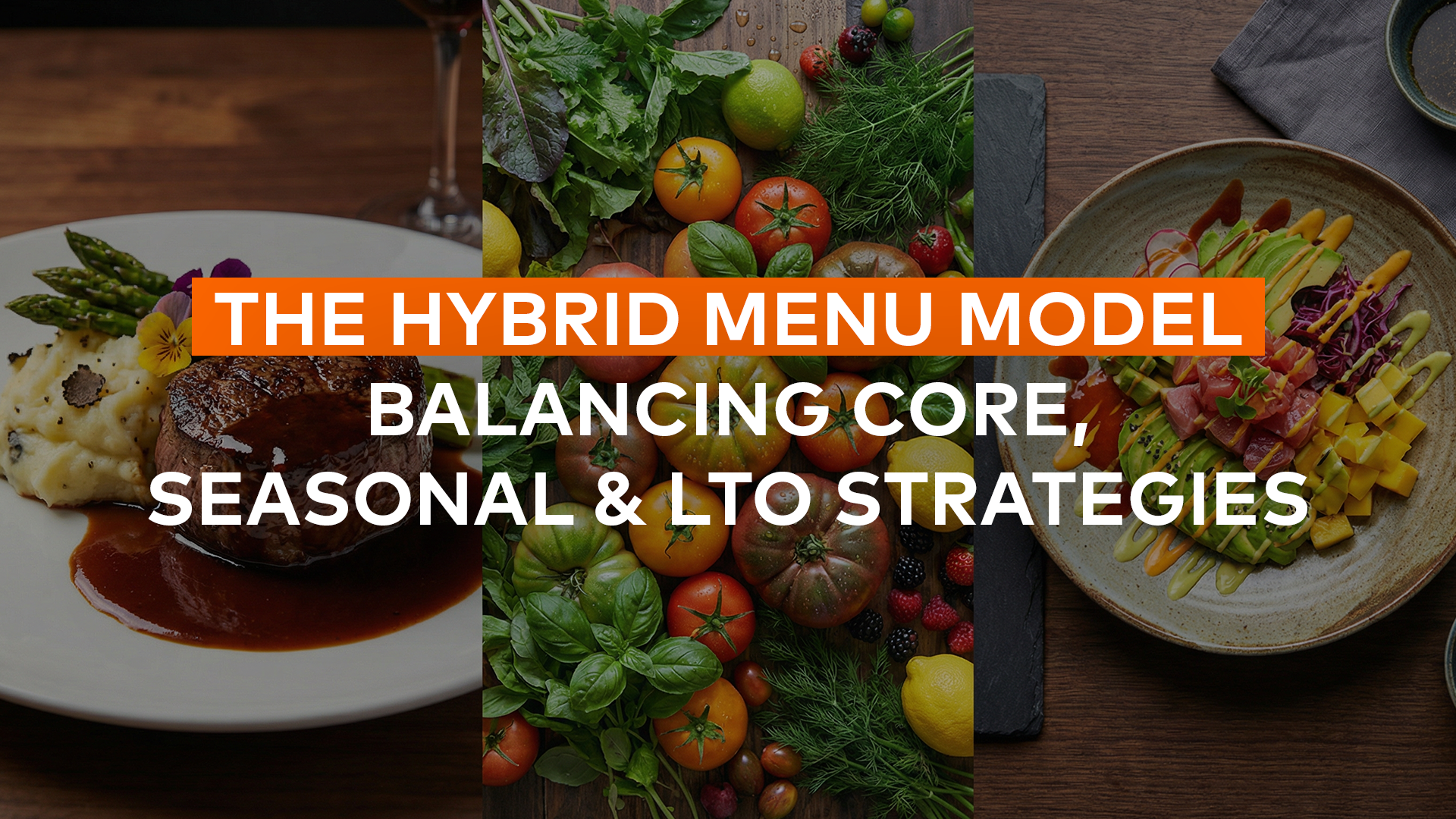
The hybrid menu model provides a balanced approach by combining consistency with innovation. Built on core menu items, seasonal rotations, and limited-time offers (LTOs), this model helps businesses increase sales performance while maintaining operational control. It also supports key areas such as horeca menu management, restaurant menu planning, and food supply chain optimization.
Core Sellers: The Operational Backbone
Core menu items are the best-selling and most recognizable dishes that define a brand’s identity. These items play a critical role in building customer loyalty and ensuring consistency in kitchen operations. Customers often return to a venue specifically for these signature offerings, making them essential for long-term success.
From an operational perspective, core items create standardization. Preparation processes become more efficient, service speed improves, and error rates decrease. In addition, they simplify the food supply chain, making inventory management more predictable and cost-effective.
In a strong restaurant menu planning strategy, core items should represent approximately 60–70% of the menu. This balance provides financial stability while maintaining a consistent customer experience both essential for success in the HoReCa sector.
Seasonal Rotations: Keeping the Menu Fresh and Relevant
Seasonal menu items bring variety and excitement to the menu while allowing businesses to stay aligned with changing customer expectations. Today’s consumers are increasingly experience-driven, making menu diversity a key competitive advantage.
Seasonal menu planning also offers cost benefits, as ingredients are typically more affordable and accessible during their peak season. This approach supports sustainable kitchen practices and encourages collaboration with local suppliers, enhancing brand perception.
Accounting for around 20–30% of the menu, seasonal items help businesses stay relevant to evolving horeca food trends while attracting new customers and retaining existing ones.
LTOs (Limited Time Offers): Driving Short-Term Impact
Limited Time Offers (LTOs) are powerful tools designed to create urgency and boost short-term sales. By offering products for a limited period, businesses can encourage immediate purchasing decisions while keeping customer interest high.
LTOs are also ideal for testing new menu ideas with minimal risk. When supported by strong marketing strategies, including social media and in-store promotions, they significantly increase engagement and brand visibility.
Typically making up 10–15% of the menu, LTOs play a key role in menu innovation and restaurant sales growth strategies within the HoReCa sector.
How to Balance the Hybrid Menu Model
Successfully implementing a hybrid menu requires more than simply combining these elements it demands balance. Businesses must adopt a data-driven approach, analyzing sales performance, customer behavior, and inventory trends to continuously optimize their menu.
Operational alignment is equally important. Menu complexity should match kitchen capacity to ensure efficiency and consistency. Reliable supply is another critical factor, where frozen food solutions provide consistency, availability, and speed.
Finally, flexibility is essential. Menus should evolve with changing trends and customer expectations to remain competitive in the dynamic HoReCa landscape.
Hybrid Menu Management with PorsiOn
PorsiOn supports HoReCa businesses with high-quality frozen food solutions that simplify hybrid menu implementation. By ensuring consistency, reducing preparation time, and improving inventory management, PorsiOn helps businesses streamline operations.
With added benefits such as cost control and food safety, PorsiOn enables restaurants, hotels, and cafés to maintain high standards while improving efficiency especially during peak service hours.
The hybrid menu model is a strategic necessity for HoReCa businesses aiming to stay competitive. By balancing core items, seasonal rotations, and LTOs, businesses can create a menu that is both stable and dynamic.
When implemented effectively, this approach enhances operational efficiency, optimizes costs, and elevates the overall customer experience making it a key driver of long term success.