











Menu Engineering for Profit: Which Dishes Build Margin and Which Ones Drain It?



In today's highly competitive foodservice industry, success is no longer determined solely by serving great food. Rising food costs, increasing labor expenses, and changing customer expectations have made profitability a top priority for restaurants, hotels, cafés, and catering businesses.
This is where menu engineering becomes one of the most powerful tools for improving restaurant profitability. By analyzing both the popularity and profitability of menu items, businesses can make smarter decisions that drive revenue and improve operational efficiency.
Many operators focus on sales volume alone, but a high-selling item does not necessarily generate high profits. Likewise, some less frequently ordered dishes may contribute significantly to overall profitability due to their strong margins. Menu engineering helps businesses identify these opportunities and optimize their menus accordingly.
What Is Menu Engineering?
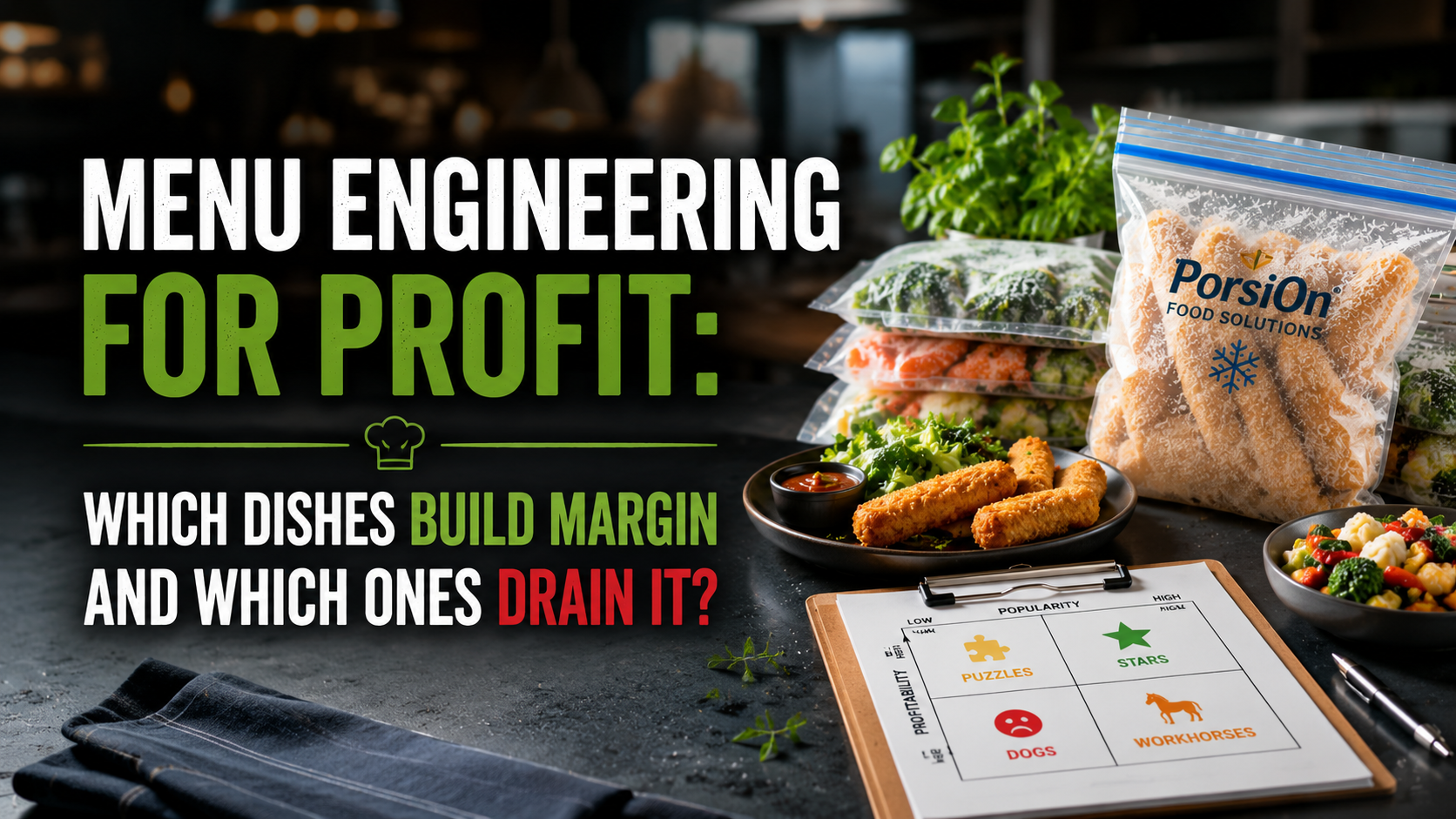
Menu engineering is a strategic management method used to evaluate menu items based on two key factors:
- Popularity (sales volume)
- Profitability (contribution margin)
By analyzing these metrics, foodservice operators can categorize menu items and develop strategies to maximize revenue and improve overall menu performance.
For restaurants, hotels, cafés, and foodservice businesses, menu engineering has become an essential component of restaurant profit optimization, food cost management, and long-term business growth.
Star Items: High Popularity, High Profitability
The most valuable menu items are often referred to as "Stars."
These dishes:
- Sell frequently
- Generate strong profit margins
- Have efficient preparation processes
- Deliver consistent customer satisfaction
Star items should receive prominent placement on menus, be highlighted in marketing campaigns, and remain central to menu strategy.
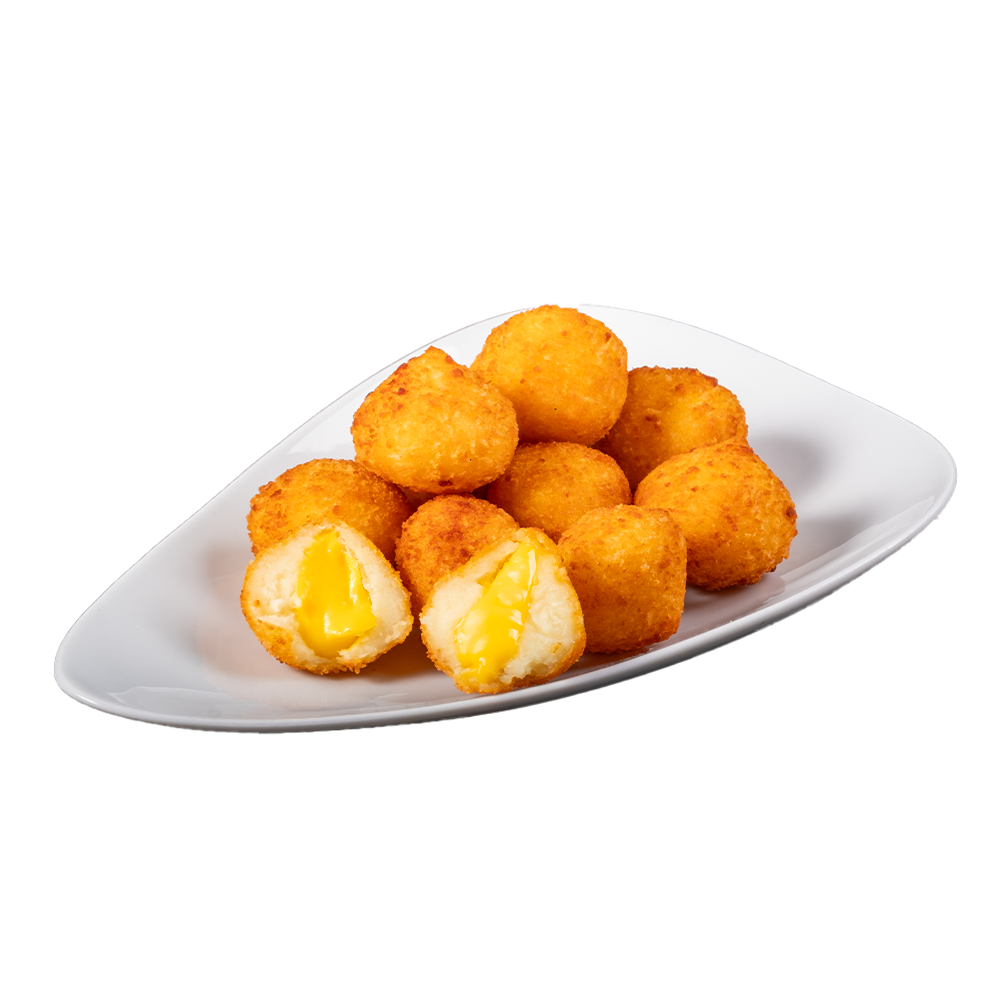
Examples may include signature appetizers, best-selling burgers, premium snacks, or specialty dishes that customers repeatedly order while generating strong margins.
Popular Dishes That Generate Low Profit
Some menu items sell extremely well but contribute relatively little profit. These are often called "Workhorses."
Common reasons include:
- High ingredient costs
- Oversized portions
- Labor-intensive preparation
- Inefficient production processes
Although these dishes attract customers, they can reduce overall restaurant profitability if not carefully managed.
Businesses can improve margins through:
- Portion control
- Recipe optimization
- Supplier evaluation
- Ingredient standardization
In many cases, utilizing frozen food solutions can help reduce food costs and improve consistency without compromising quality.
High-Margin Dishes That Are Underperforming
Some dishes offer excellent profit margins but receive limited customer attention.
This often occurs because:
- The item is poorly positioned on the menu
- Customers are unfamiliar with it
- The description lacks appeal
- Pricing strategy is ineffective
These products represent hidden opportunities for growth.
Strategic menu design, attractive descriptions, and staff recommendations can significantly increase sales of high-margin items and improve overall menu profitability.
Low-Performing Items That Drain Resources
Every menu contains items that neither sell well nor generate meaningful profits.
These dishes often:
- Increase inventory complexity
- Contribute to food waste
- Consume storage space
- Create operational inefficiencies
Regular menu analysis helps identify these underperforming products so operators can revise, reposition, or remove them entirely.
A leaner menu often leads to better operational performance and stronger financial results.
The Connection Between Food Cost and Profitability
Successful menu engineering starts with effective food cost management.
Several factors directly impact restaurant profit margins:
- Ingredient costs
- Food waste levels
- Inventory management
- Portion consistency
- Supply chain efficiency
- Labor requirements
As inflation and supply costs continue to rise globally, controlling food costs has become a critical priority for foodservice operators seeking sustainable growth.
How Frozen Foods Support Menu Profitability
Frozen foods are increasingly becoming a strategic asset in professional kitchens. Beyond convenience, they can significantly improve profitability and operational performance.
Frozen food solutions offer several advantages:
- Reduced food waste
- Longer shelf life
- Consistent portion sizes
- Better inventory control
- Lower labor costs
- Reliable product quality
- Improved kitchen efficiency
Because products can be stored longer and used as needed, businesses reduce spoilage and achieve more predictable food costs.
For restaurants, hotels, cafés, and catering operations, frozen appetizers, snacks, ready meals, and prepared food solutions can contribute directly to stronger profit margins and more efficient operations.
At PorsiOn Food, we develop frozen food solutions designed specifically to support professional kitchens with consistency, cost control, operational efficiency, and sustainable profitability.
Why Menu Engineering Matters More Than Ever
Consumer preferences continue to evolve, while operational costs remain under pressure. Foodservice businesses that regularly evaluate menu performance gain a significant competitive advantage.
Menu engineering allows operators to:
- Improve profit margins
- Reduce food waste
- Increase operational efficiency
- Optimize food costs
- Enhance customer satisfaction
- Support long-term business growth
Rather than viewing a menu as simply a list of products, successful operators treat it as one of their most important profit-generating tools.
A successful restaurant or hotel menu is not just about offering delicious food—it is about creating a strategic balance between customer demand and profitability.
Through menu engineering, businesses can clearly identify which dishes drive revenue, which products support margins, and which items negatively impact performance. Combined with smart pricing, effective food cost management, and efficient frozen food solutions, menu engineering can become a powerful driver of sustainable growth.
In today's competitive foodservice landscape, businesses that continuously optimize their menus are better positioned to increase profitability, improve efficiency, and deliver long-term success.