










How Is Inventory Management Done in Professional Kitchens? A More Controlled Kitchen with Frozen Products
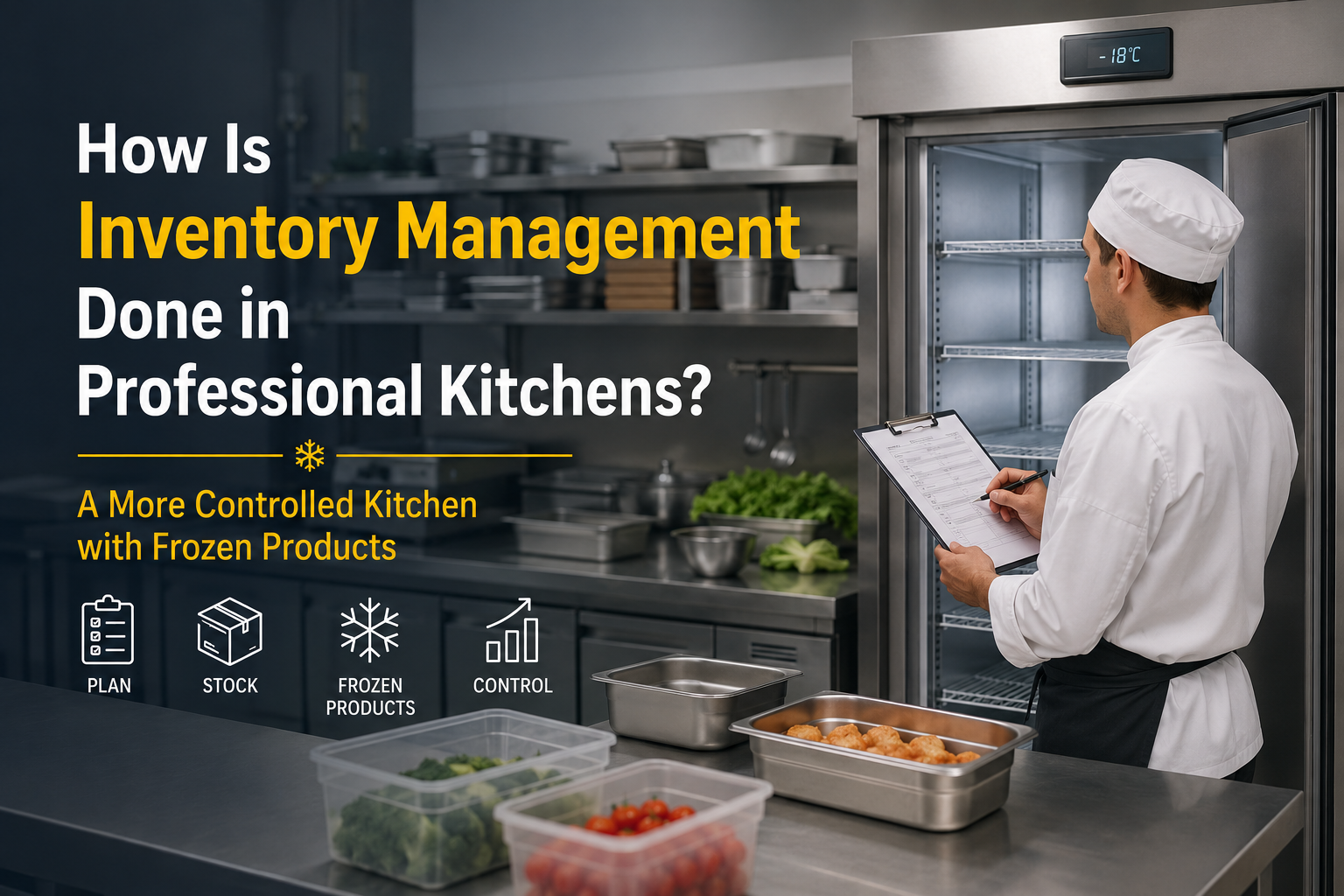



Success in a professional kitchen is not limited to preparing delicious food.
In the kitchens of restaurants, hotels, cafés, and catering businesses, there is an important process that often goes unnoticed but has a direct impact on the entire operation: inventory management.
Having the right amount of products available at the right time helps ensure that kitchen operations continue without interruption. While ordering more products than necessary can lead to storage issues and unnecessary costs, insufficient inventory can result in product shortages during busy service hours.
Especially in businesses with high customer traffic, inventory management plays an important role in cost control, service speed, product consistency, and operational efficiency.
For this reason, effective inventory planning in professional kitchens is not simply about organizing storage areas. It also helps create a more controlled, structured, and sustainable kitchen operation.
So, how is inventory management handled in professional kitchens? What role can frozen products play in inventory planning?
Here is a comprehensive guide to professional kitchen inventory management for restaurants, hotels, cafés, and catering businesses.
Why Is Inventory Management Important in Professional Kitchens?
Dozens or even hundreds of portions can be prepared in a professional kitchen every day.
Every product used throughout this process needs to be planned and monitored properly.
A small inventory issue in the kitchen can quickly turn into a larger operational problem during service.
For example, if a menu item runs out during a busy dinner service, it may:
- Negatively affect customer satisfaction.
- Disrupt menu planning.
- Increase the workload of the kitchen team.
- Require alternative products to be prepared.
- Extend service times.
On the other hand, keeping excessive amounts of stock is not always an advantage for businesses.
Especially with fresh products, excessive inventory can lead to:
- Inefficient use of storage space,
- Products not being consumed on time,
- More complicated inventory control processes,
- Unnecessary purchasing costs.
Therefore, the main goal of effective inventory management is not to store as many products as possible, but to maintain the right amount of stock according to the needs of the business in a controlled manner.
The First Step in Inventory Management: Analyzing Kitchen Needs Correctly
Every business has different kitchen requirements.
There can be significant differences between the daily product consumption of a hotel operating a buffet service and that of a small café.
Therefore, inventory planning should always take the specific operational structure of the business into account.
When analyzing requirements, businesses should consider questions such as:
- What is the average number of customers per day?
- Which are the busiest service hours?
- Which products are consumed most frequently?
- Which products experience higher demand during certain periods?
- What are the consumption rates of menu items?
- Does consumption differ between weekdays and weekends?
- What is the available storage capacity?
These insights help create a more realistic inventory plan for professional kitchens.
For example, stock levels for products that are consumed in high quantities during peak days should not be the same as those for less frequently used products.
Knowing the consumption rate of each product is one of the foundations of a more controlled purchasing process.
How Should Products Be Categorized in Professional Kitchens?
One of the most effective ways to simplify inventory management is to categorize products according to their usage.
A complex and disorganized storage area can make inventory control more difficult in professional kitchens.
For this reason, products can be tracked under specific categories.
Fast-Moving Products
These are products that are used daily or in high quantities.
Their stock levels should be checked more frequently.
Seasonal Products
These are products that are used more frequently during certain seasons or for specific menus.
For example, different product groups may become more prominent during the summer season, while soups and hot meal options may be more frequently used during the winter.
Special Menu Products
These are ingredients or products used in specific recipes or limited menu items.
Their consumption should be monitored more carefully.
Frozen Products
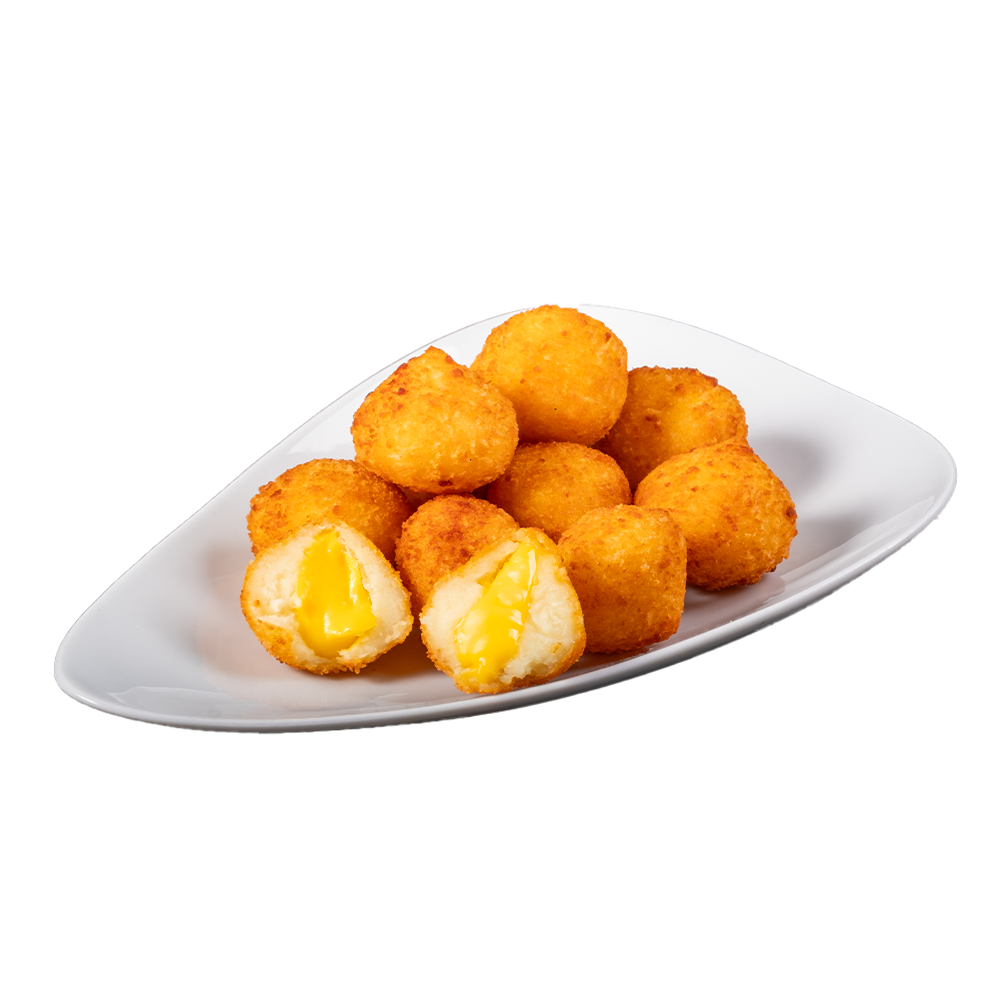
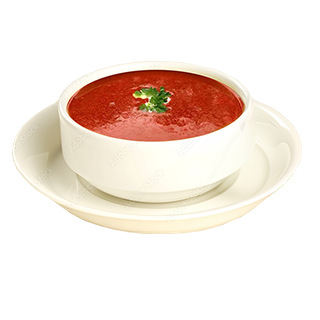
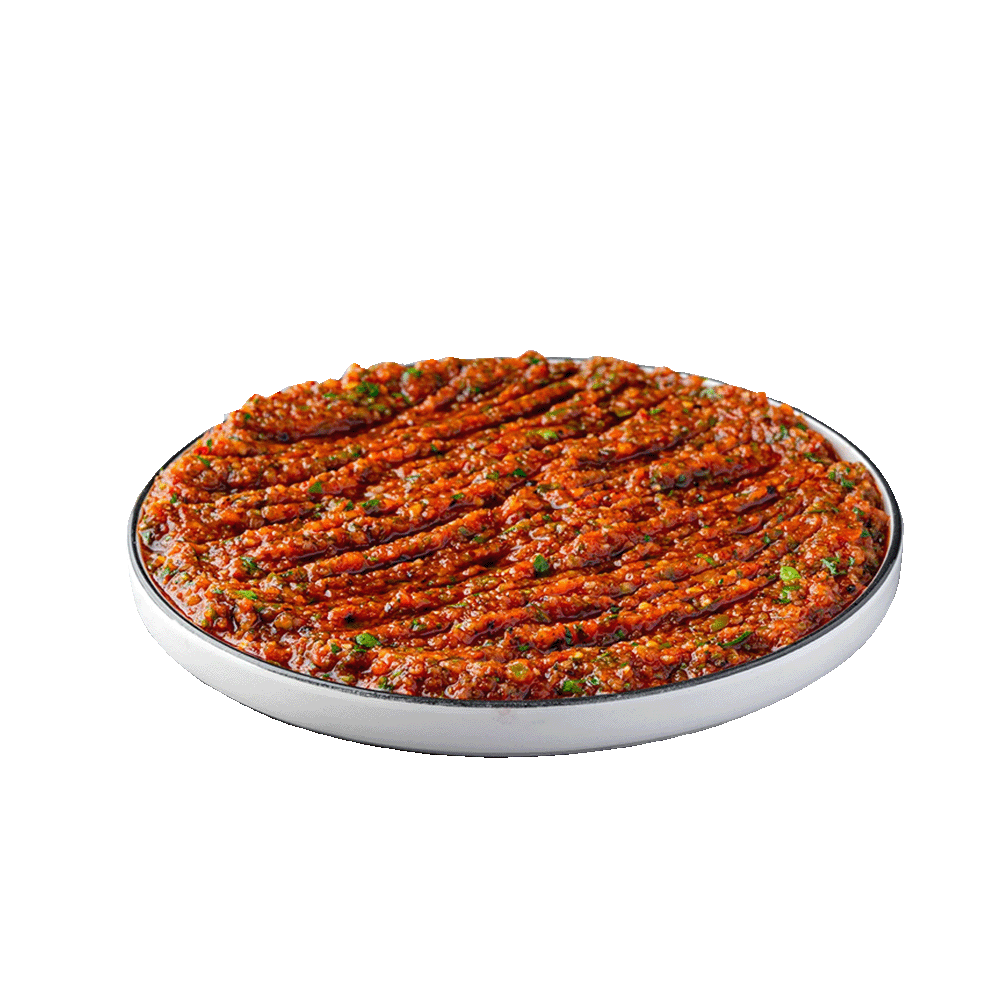
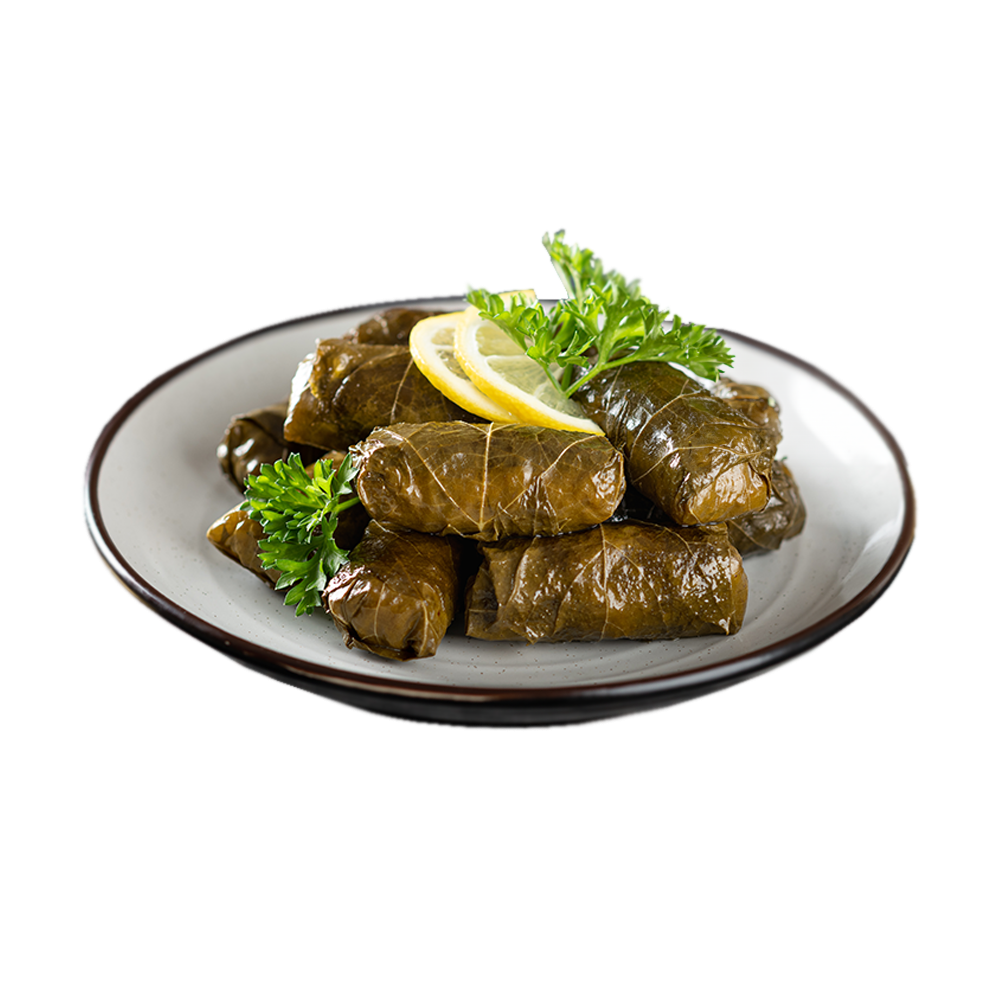
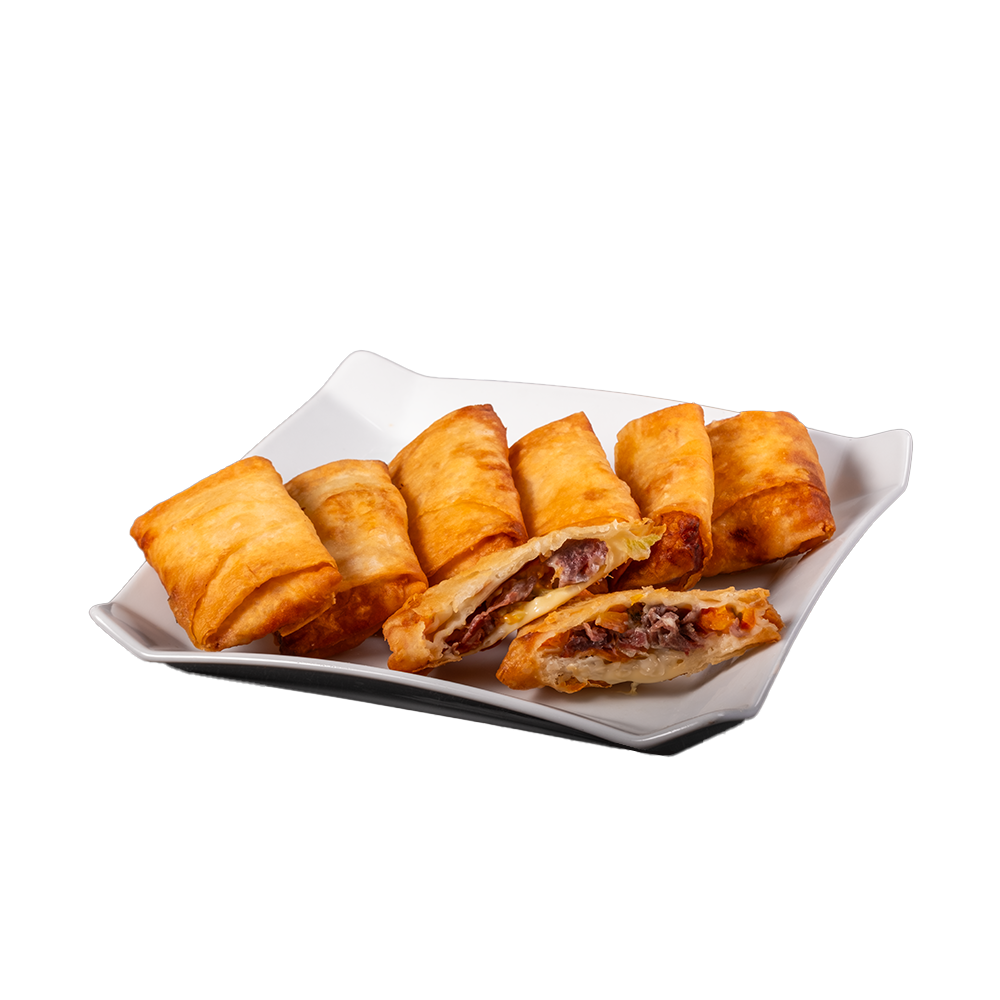
Frozen snacks, soups, mezze products, and stuffed or wrapped traditional products can be managed as a separate inventory category in professional kitchens.
Organizing products in this way makes it easier to access them quickly and monitor inventory levels more efficiently.
How Can Frozen Products Provide an Advantage in Inventory Management?
One of the key benefits of frozen products in professional kitchens is the flexibility they can provide for operational planning.
Product requirements can vary in restaurants, hotels, and catering businesses where customer demand is not the same every day.
Some days may bring higher-than-expected customer traffic, while other days may not reach the planned consumption levels.
At this point, frozen products can help businesses manage their menu planning and inventory more effectively.
PorsiOn Horeca offers a range of products designed for professional kitchens, including frozen snacks, soups, mezze products, and stuffed or wrapped traditional products.
The potential advantages of frozen products for inventory management include:
- Planned storage of products,
- Portioning according to operational needs,
- Creating additional stock for busy days,
- Keeping different menu options readily available,
- Responding more quickly to last-minute operational requirements,
- Making purchasing processes more predictable and manageable.
However, to benefit from these advantages effectively, frozen products must also be stored and monitored through a well-organized inventory management system.
How Should Stock Levels Be Determined?
Keeping the same amount of inventory for every product is not an effective approach.
In professional kitchens, the ideal stock level should be determined according to the frequency and volume of product usage.
Products can be managed according to different stock levels.
Minimum Stock Level
This refers to the lowest quantity of a product that should be available in the business.
When inventory reaches this level, a new order can be planned.
Safety Stock
Safety stock is the additional inventory kept to prepare for unexpected increases in demand or potential delays in the supply process.
Maintaining safety stock can be particularly useful for products with consistently high demand.
Maximum Stock Level
This is the highest inventory level determined according to storage capacity and product consumption rates.
Storing products beyond this level unnecessarily can make inventory management and storage organization more difficult.
Defining these three levels can make purchasing processes in professional kitchens more controlled and predictable.
Inventory Planning for Busy Service Days
Not every day has the same level of kitchen activity.
Especially during:
- Weekends,
- Special occasions,
- Holiday periods,
- Event days,
- Group reservations,
- Periods of high hotel occupancy,
product consumption can increase significantly.
Therefore, inventory planning should not be based solely on average daily consumption.
Historical data can be useful when forecasting busy periods.
For example, if a restaurant observes that a particular snack product was consumed at twice its normal rate during previous weekends, inventory planning for the following weekend can be adjusted accordingly.
This approach allows businesses to move away from the “let’s order extra just in case” mentality and create a more data-driven inventory plan.
Menu Planning and Inventory Management Should Be Planned Together
Menu planning and inventory management are not independent processes.
Adding a new product to a menu also requires a new inventory plan.
Before adding a new product to the menu, professional kitchens should evaluate:
- Product usage frequency,
- Storage requirements,
- Preparation time,
- Serving method,
- Portion size,
- Opportunities to use the product across multiple dishes.
For example, a versatile product can provide greater flexibility in inventory management because it can be used in different recipes.
Frozen mezze products or snacks can be incorporated into various serving concepts.
A single product can be used:
- As an appetizer,
- On a sharing platter,
- As a side dish,
- In catering menus,
- In buffet service.
Having multiple applications for the same product can help kitchens create different menu options while maintaining a more manageable inventory structure.
What Is the FIFO Method and Why Is It Used in Professional Kitchens?
One of the fundamental methods used in inventory management is FIFO (First In, First Out).
As the name suggests, the principle is simple:
The first products to enter the storage area should be the first products to be used.
Under this system, newly delivered products are placed behind older stock rather than in front of it.
This makes it easier to track the order in which products should be used.
The advantages of FIFO in professional kitchens include:
- Making storage organization easier,
- Supporting product traceability,
- Creating a more systematic inventory control process,
- Helping prevent older products from being overlooked.
Proper stock rotation is especially important in large professional kitchens where products purchased at different times are stored together.
How Should a Freezer Be Organized?
When managing frozen product inventory, tracking product quantities alone is not enough.
The organization of the storage area also plays an important role in operational efficiency.
Professional freezers can be organized by product categories.
For example:
Snack Section
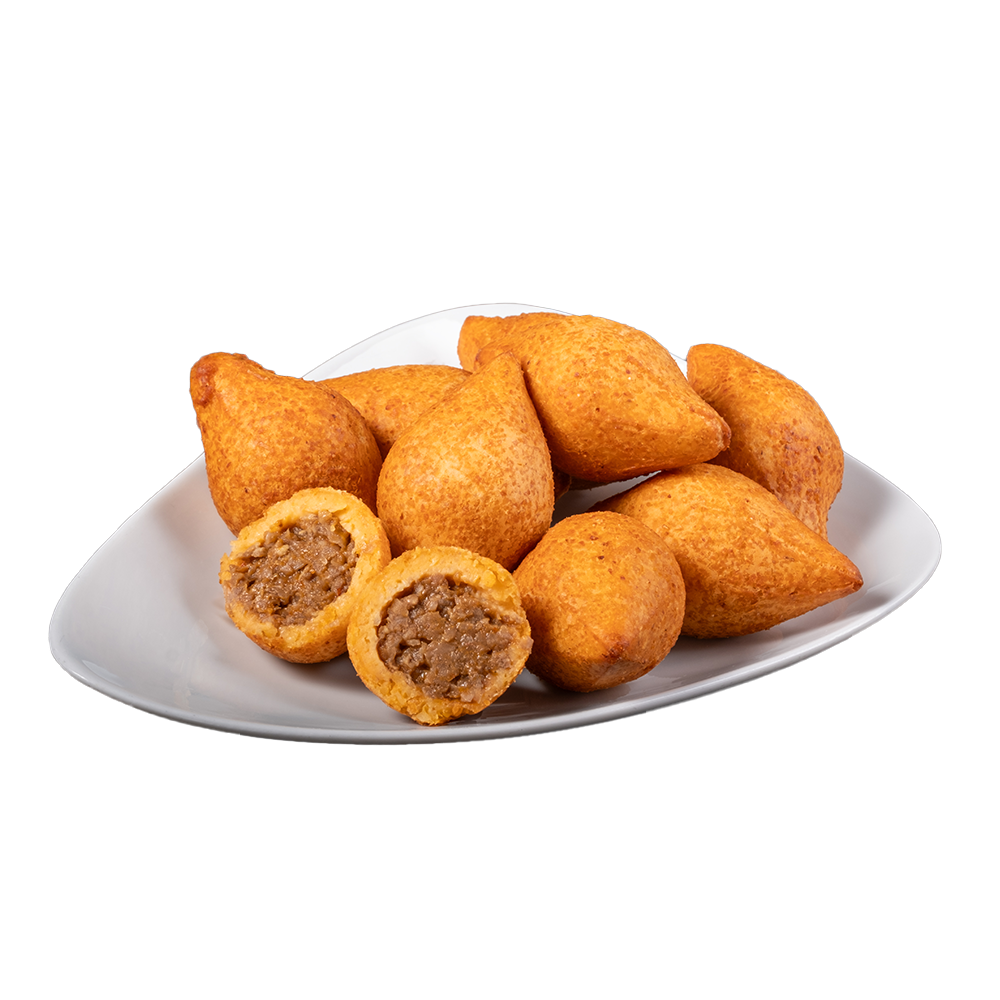
- İçli Köfte
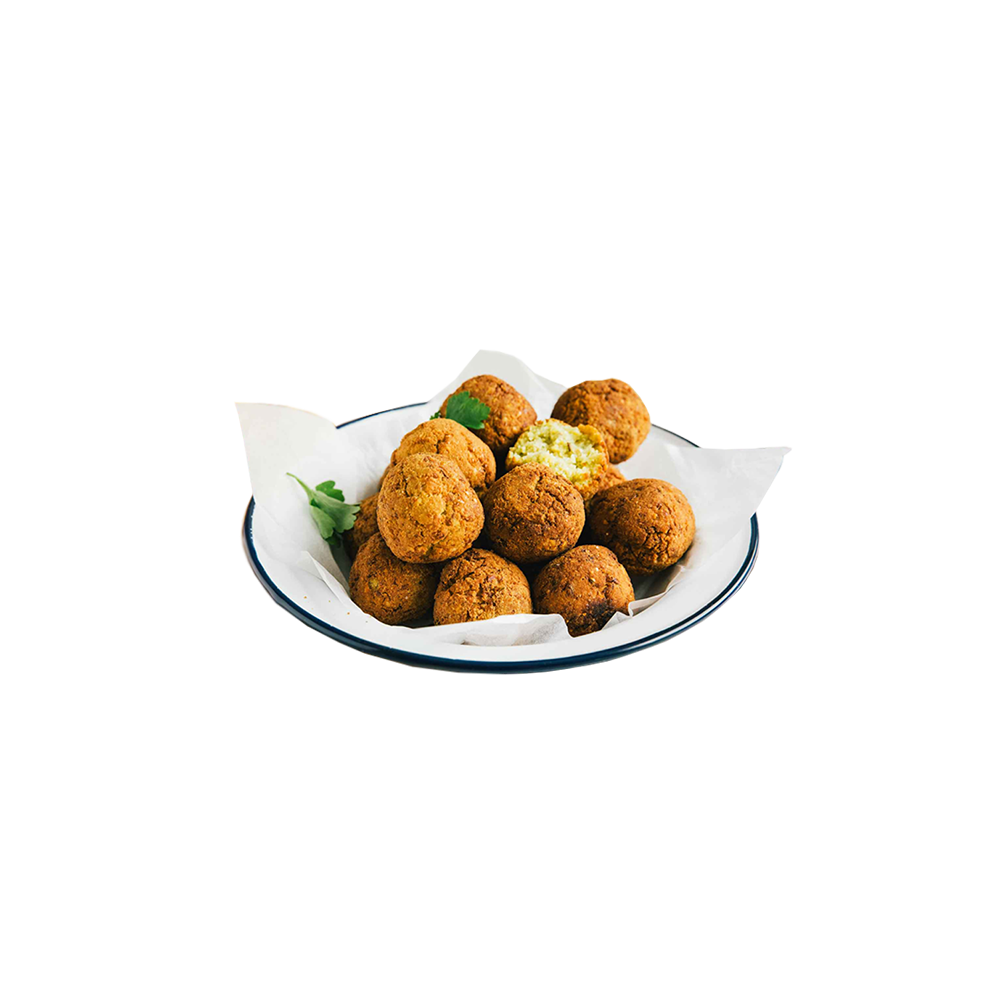
- Falafel
- Cheddar Croquettes
- Cheese Sticks
- Mini Pizza
- Potato-Based Products
Soup Section
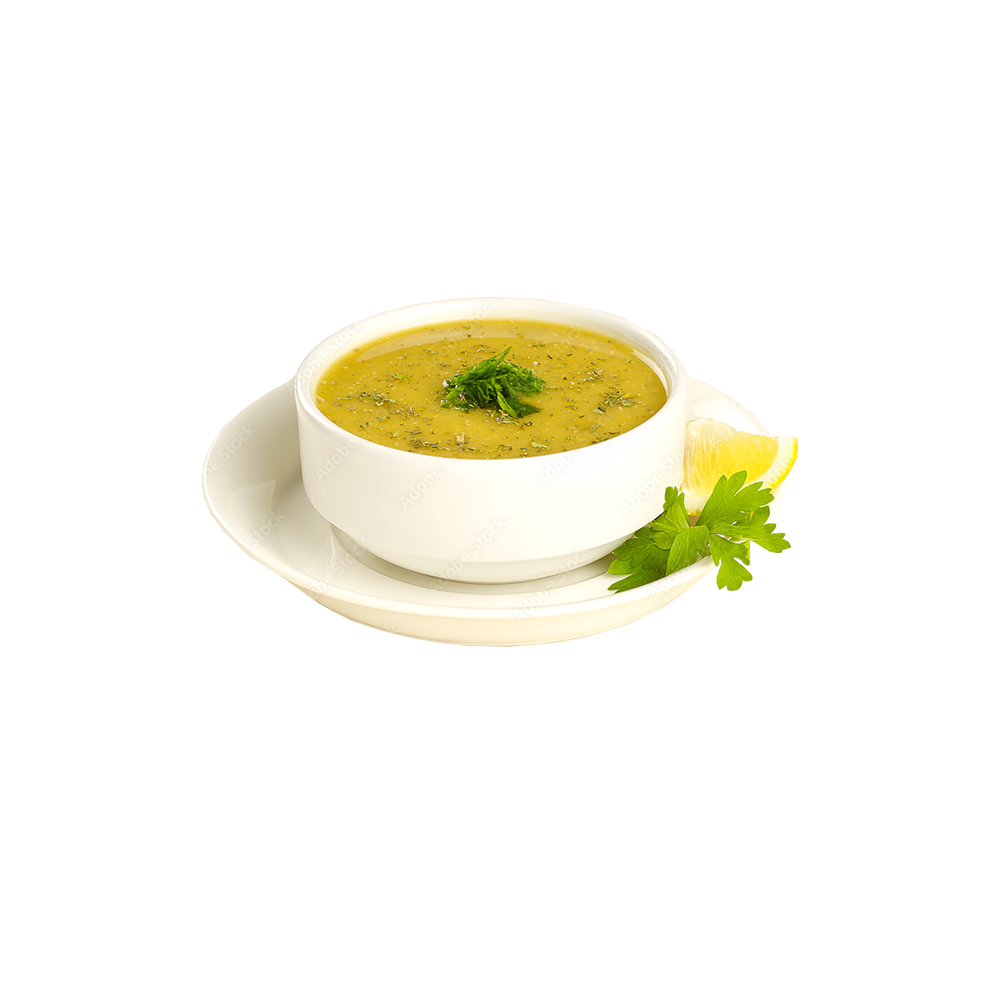
- Lentil Soup
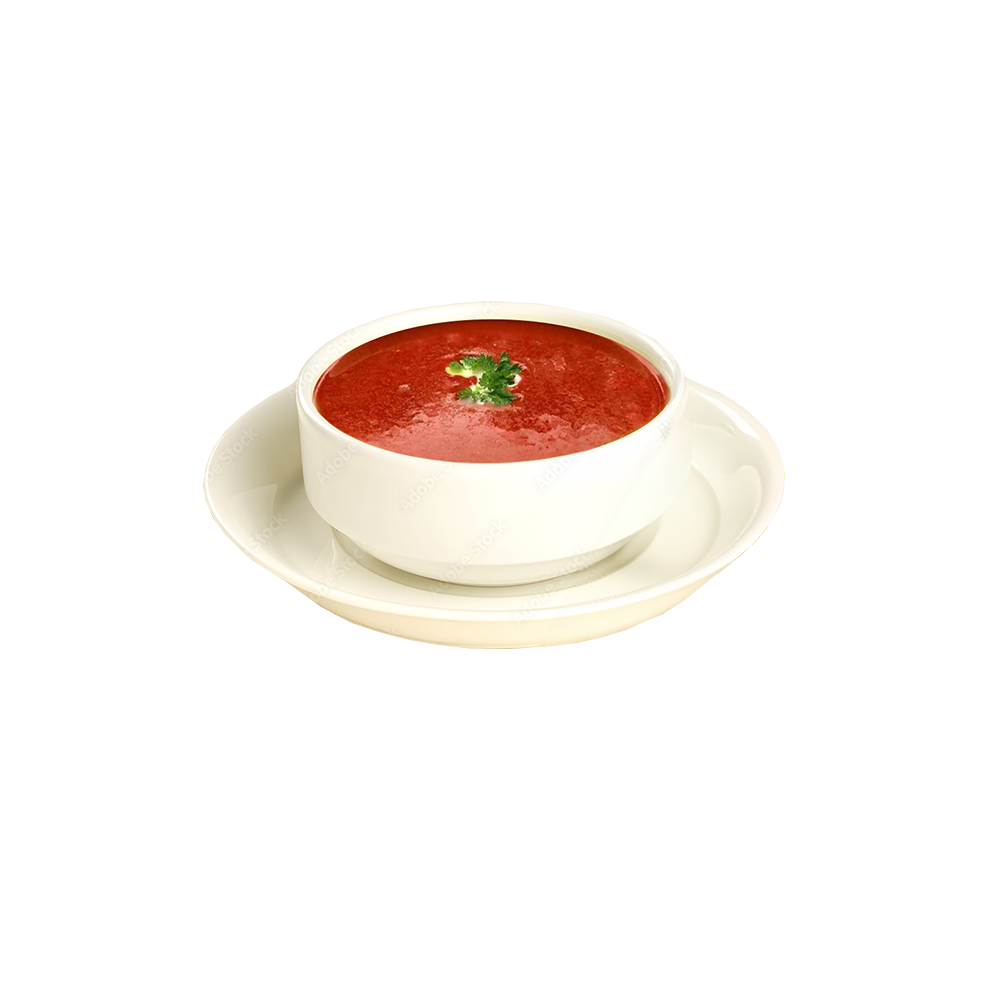
- Tomato Soup
- Broccoli Soup
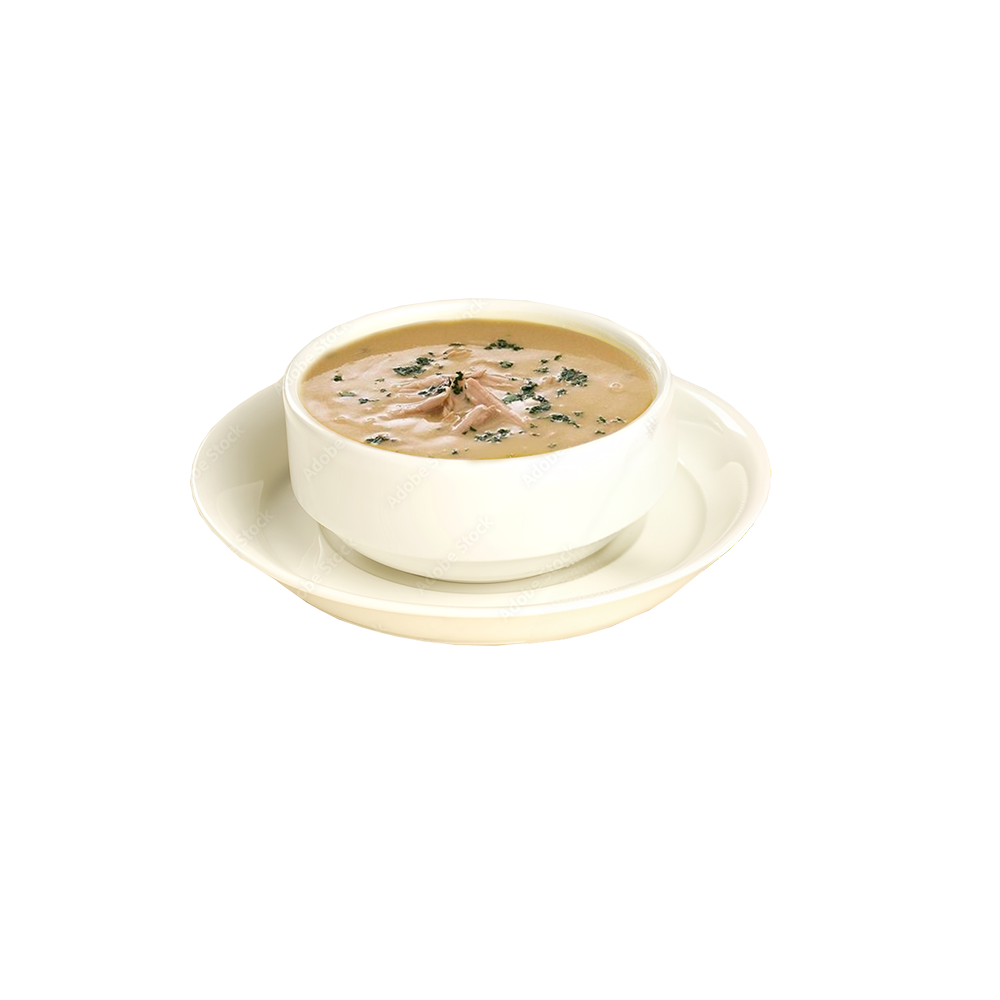
- Chicken Stock Soup
- Eggplant Soup
Mezze Section
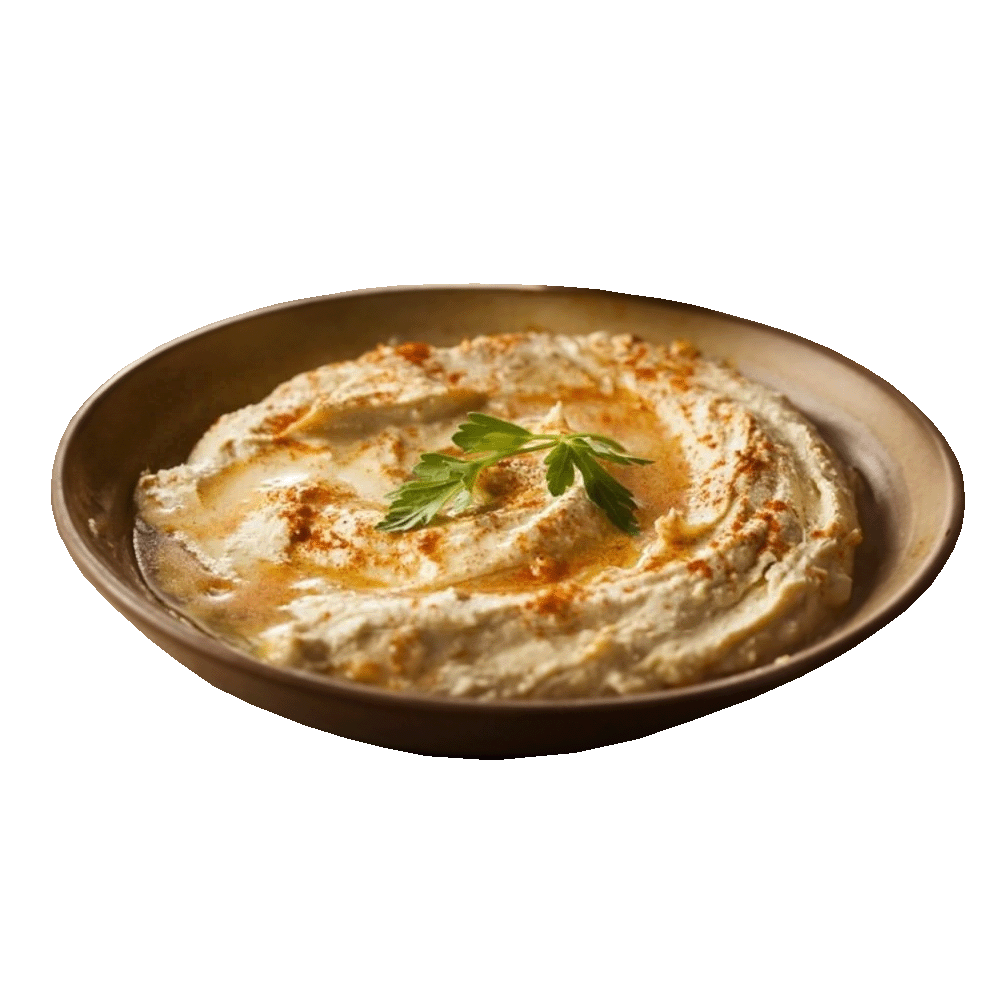
- Hummus
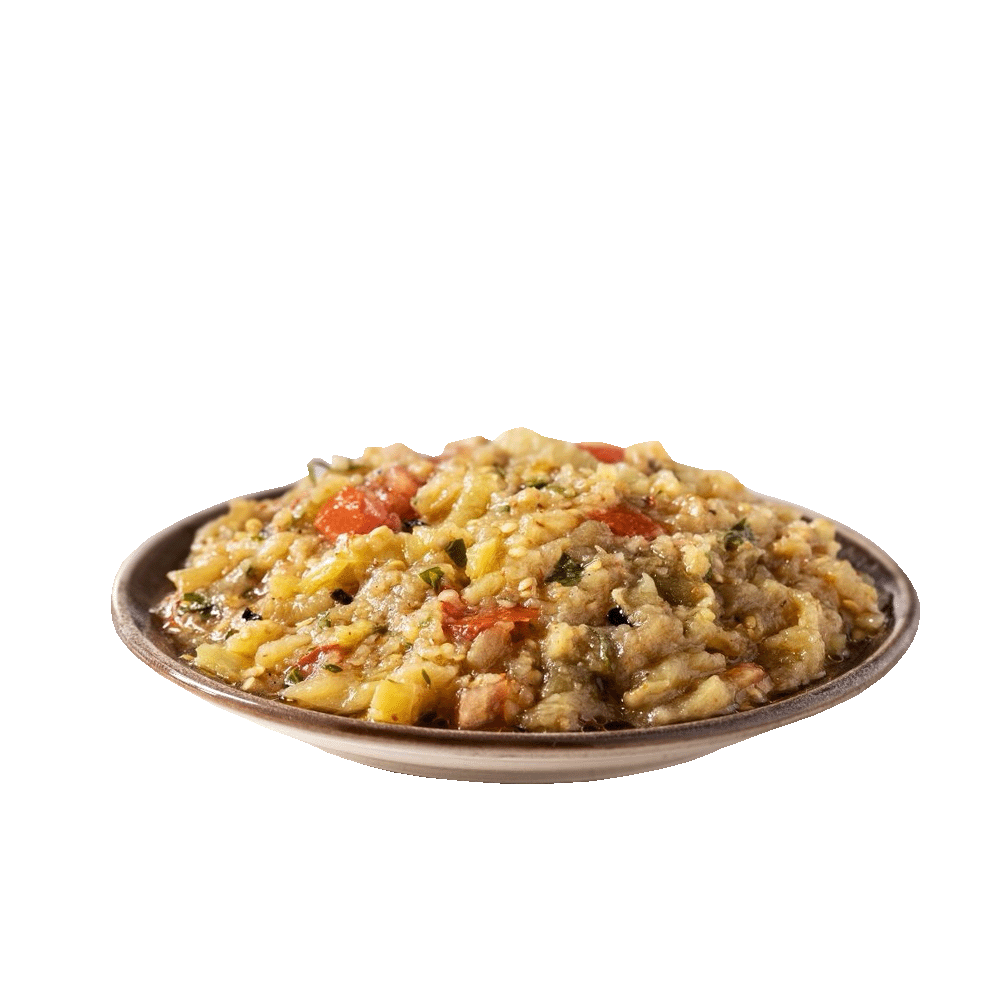
- Baba Ghanoush
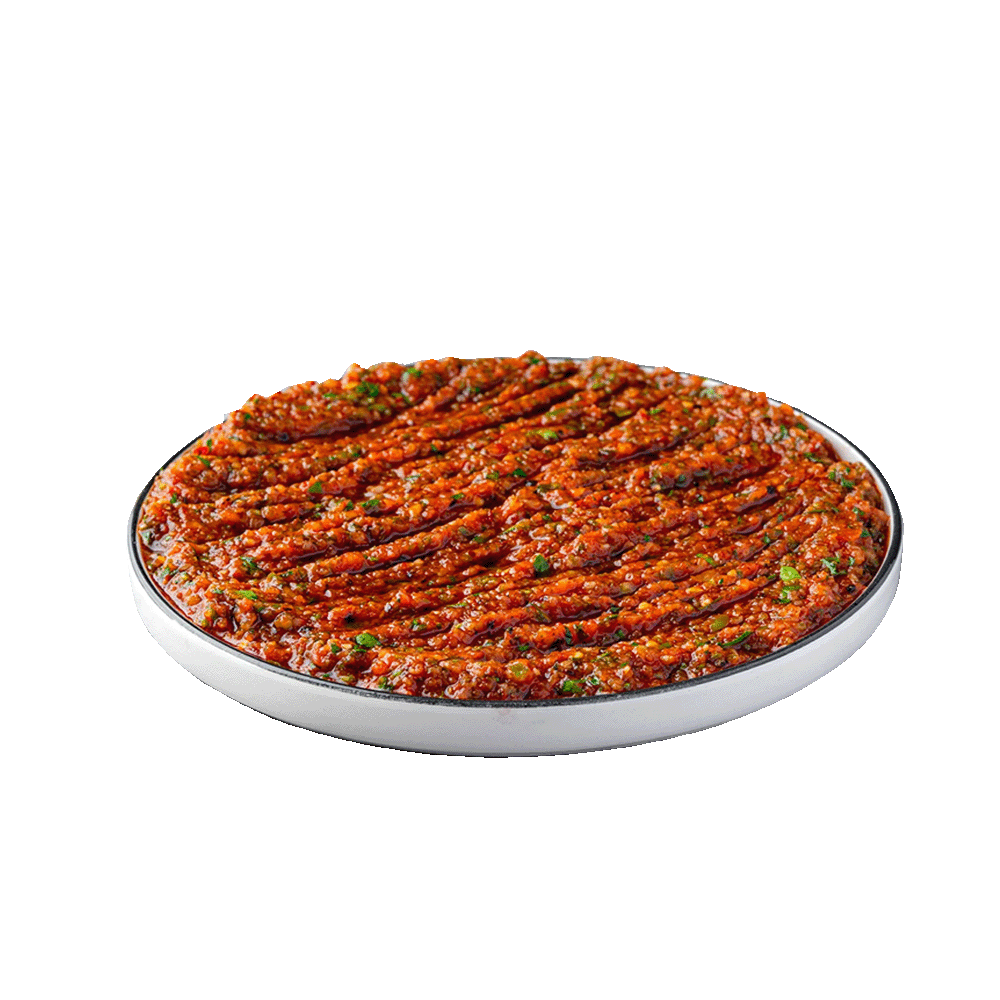
- Spicy Ezme
Traditional Products
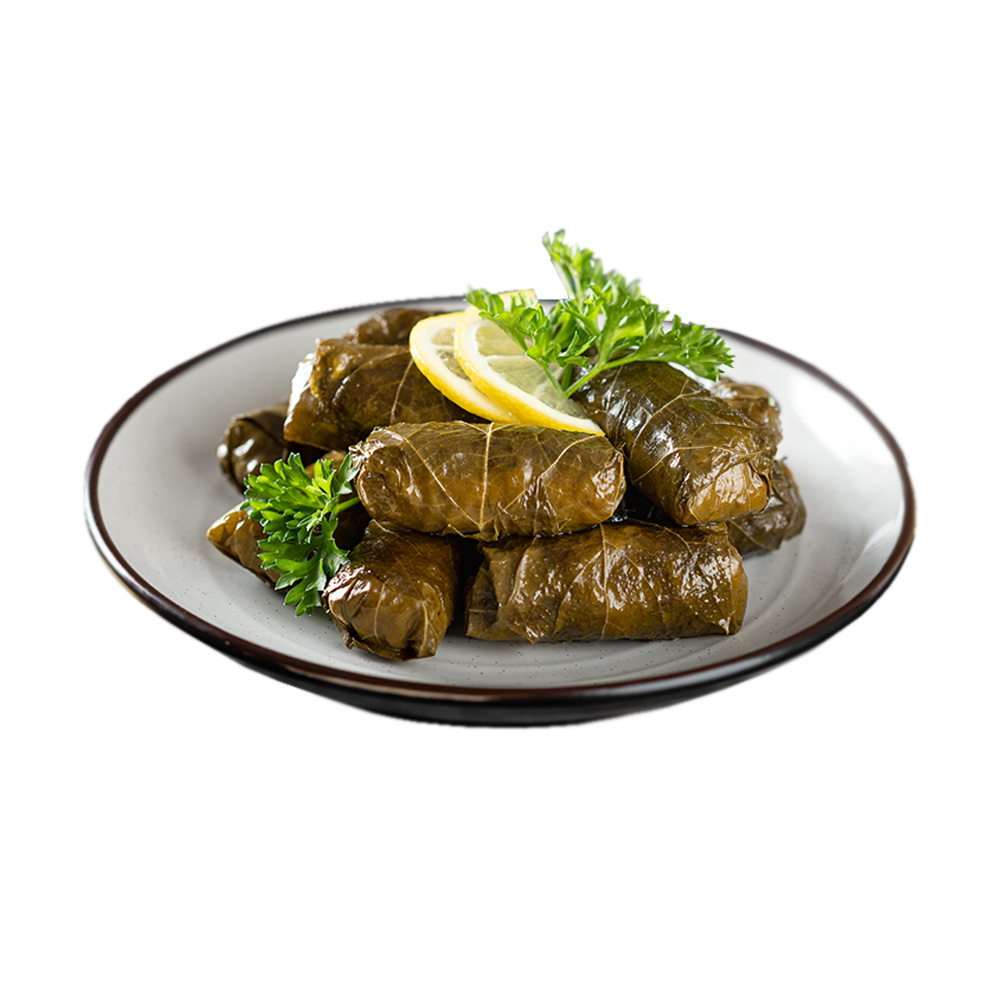
- Stuffed Vine Leaves
- Stuffed Dried Eggplant
- Stuffed Peppers
- Stuffed Cabbage Rolls
A category-based system helps kitchen staff find the products they need more quickly and makes inventory control easier.
PorsiOn Horeca's product categories also include frozen snacks, soups, mezze, and stuffed or wrapped traditional product groups.
How Often Should Inventory Be Counted?
Inventory counting in professional kitchens should not be limited to a monthly process.
Different control schedules can be established according to product usage and operational intensity.
Daily Checks
Fast-moving products can be checked daily.
Weekly Checks
Products that are regularly used but do not require daily monitoring can be checked weekly.
Monthly General Inventory Count
A complete inventory count can be conducted monthly to evaluate the overall storage and freezer areas.
These checks allow businesses to monitor not only current inventory levels but also product consumption patterns over time.
The Importance of Digital Inventory Tracking in Professional Kitchens
Traditional inventory lists can still be useful for many small businesses.
However, as the number of products and the scale of operations increase, digital inventory management systems can become much more practical.
Even a simple digital spreadsheet can make inventory tracking easier.
An inventory tracking system can include:
- Product name,
- Current stock quantity,
- Minimum stock level,
- Last order date,
- Average consumption,
- Storage location,
- Usage frequency.
These details can help businesses manage their purchasing processes more efficiently.
For businesses with multiple locations, centralized inventory tracking can also make it easier to analyze product movements across different branches.
How Is Inventory Managed in Hotels?
Hotel kitchens can have a more variable operational structure compared to restaurants.
Occupancy rates, seasonal demand, events, and buffet operations can directly affect product consumption.
For this reason, hotel inventory planning should take into account:
- Occupancy rates,
- Event schedules,
- Group reservations,
- Buffet menus,
- Seasonal demand.
Especially in buffet operations, a variety of products needs to be readily available.
Frozen products can provide flexible options that can be used according to the planned menu when needed.
For example, snacks, mezze products, and traditional food groups can be adapted to different buffet or event concepts.
Inventory Planning for Catering Businesses
One of the most important aspects of inventory management in the catering industry is demand forecasting.
Even when the number of guests is known in advance, consumption rates may vary between different menu items.
Therefore, catering businesses should consider:
- Number of guests,
- Menu content,
- Event duration,
- Service style,
- Potential need for alternative products.
Being able to plan products in advance is particularly important for large-scale events.
Frozen products can help catering businesses create more flexible preparation processes according to different guest counts and event requirements.
The Most Common Inventory Management Mistakes
Some inventory management mistakes are frequently encountered in professional kitchens.
Ordering Excessive Quantities of Every Product
More inventory does not always mean greater security.
Unnecessary product accumulation can make storage and inventory management more difficult.
Failing to Track Consumption Data
Purchasing without analyzing historical consumption data can lead to decisions based largely on assumptions.
Neglecting Storage Organization
A disorganized storage area can cause products to be overlooked.
Failing to Reflect Menu Changes in Inventory Planning
Products added to or removed from the menu should be quickly reflected in the inventory system.
Ignoring Busy Days
An inventory plan based on normal operating days may be insufficient during periods of high customer traffic.
To prevent these issues, inventory management should become a regular, measurable, and systematic part of kitchen operations.
Inventory Management in 5 Steps for a More Controlled Kitchen
The following five steps can help professional kitchens establish a more organized inventory system:
1. Categorize Your Products
Track snacks, mezze, soups, main products, and other categories separately.
2. Record Consumption
Regularly analyze how much of each product is being used.
3. Set Minimum Stock Levels
Determine the minimum quantity required for each product to prevent operational disruptions.
4. Organize Your Storage Area
Make sure products are stored in a system that allows easy access and efficient monitoring.
5. Conduct Regular Inventory Counts
Establish daily, weekly, and monthly checks to keep inventory records up to date.
These simple steps can help professional kitchens build a more controlled and efficient operation over time.
More Flexible Product Planning for Professional Kitchens with PorsiOn
The needs of professional kitchens can change from day to day.
One day may involve a busy restaurant service, while the next may involve a large catering event or a hotel buffet operation.
For this reason, businesses need product planning that can adapt not only to daily requirements but also to changing operational needs.
PorsiOn Horeca offers frozen snacks, concentrated soups, mezze products, and traditional food groups designed for restaurants, hotels, cafés, and professional kitchens, providing solutions for a variety of operational requirements.
The brand positions its product range around practicality, product variety, and solutions designed to support the day-to-day operations of businesses in the Horeca sector.
With the right product selection and planned inventory management, professional kitchens can create a more controlled and efficient operation.
Because in a successful kitchen, it is not only the right recipes that matter having the right products available at the right time matters just as much.